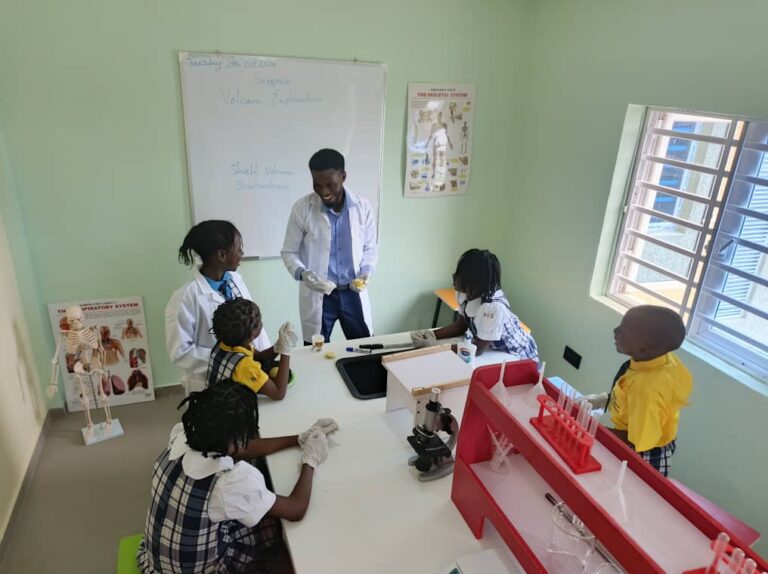
The transition from full-time home care to school can be both exciting and overwhelming. Readiness involves emotional intelligence, communication capabilities, and essential self-care habits.
Many parents focus solely on academic indicators like reciting the alphabet or counting to twenty. However, developmental experts highlight social-emotional indicators as the best predictors of long-term classroom success. Below is a structured checklist to guide you.
1. Social-Emotional Milestones
Social readiness is about a child's ability to relate to peers, follow instruction, and manage emotional reactions.
- Can they share toys and take turns with guidance?
- Can they express basic feelings (happy, sad, hurt) verbally rather than throwing tantrums?
- Can they focus on a single activity (like a story or puzzle) for 5 to 10 minutes?
- Are they comfortable separating from parents or main caretakers for a few hours?
2. Practical Self-Help Skills
Encouraging independent habits helps your child feel capable and confident when teachers are assisting other students.
- Potty Training: Can they use the restroom independently and communicate when they need to go?
- Feeding: Can they open their lunchbox and use a spoon/cup independently?
- Dressing: Can they wear their shoes and manage simple buttons/zippers?
"Train up a child in the way he should go: and when he is old, he will not depart from it." — Proverbs 22:6. Providing a structured, loving, and values-rich environment prepares children not just for academic examinations, but for life.
3. Language and Cognitive Readiness
These are communication foundations that allow a child to express needs and follow simple directions:
- Can they speak in simple, complete sentences (e.g., "I want water")?
- Can they follow two-step directions (e.g., "Put on your shoes and pick up your bag")?
- Do they show interest in books and listen attentively during story time?
Supporting Your Child at Home
No matter where your child stands on the readiness checklist, parent involvement is the catalyst. You can support them daily by:
- Reading together for at least 15 minutes every night.
- Playing cooperative board games to teach turn-taking.
- Setting up playdates to encourage communication and play.